From Heritage Crop to Economic Opportunity: Panay-Bukidnon Indigenous Farmers Explore Ube Production Across Iloilo Highlands
Kim Alunan | Published October 29, 2026
Share this to

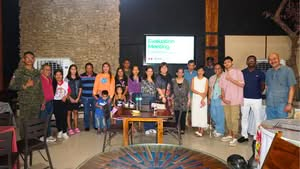
As part of the celebration of Indigenous Peoples’ Month, the 61st Infantry (Hunter) Battalion and Sulu Garden Foundation (SGF) brought together 41 Panay-Bukidnon farmers for the “Rooted in Tradition: Panay Indigenous People’s Forum on Ube Production” on October 28 in Miag-ao, Iloilo. The gathering convened indigenous agricultural practitioners from the municipalities of Alimodian, Tubungan, and Leon, creating a platform for knowledge exchange, farmer-to-farmer learning, and discussions on the future of ube cultivation as a sustainable agricultural enterprise.
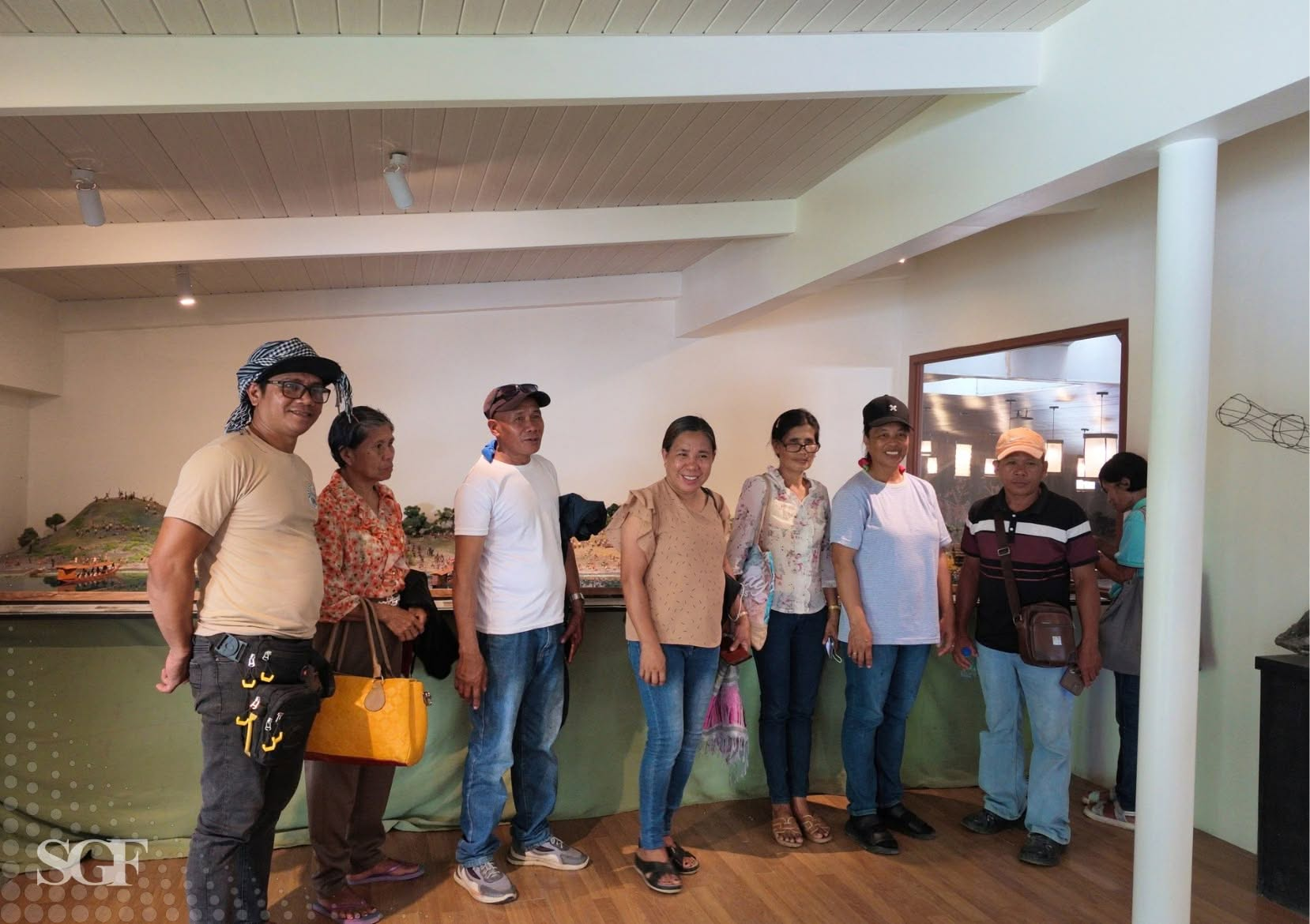
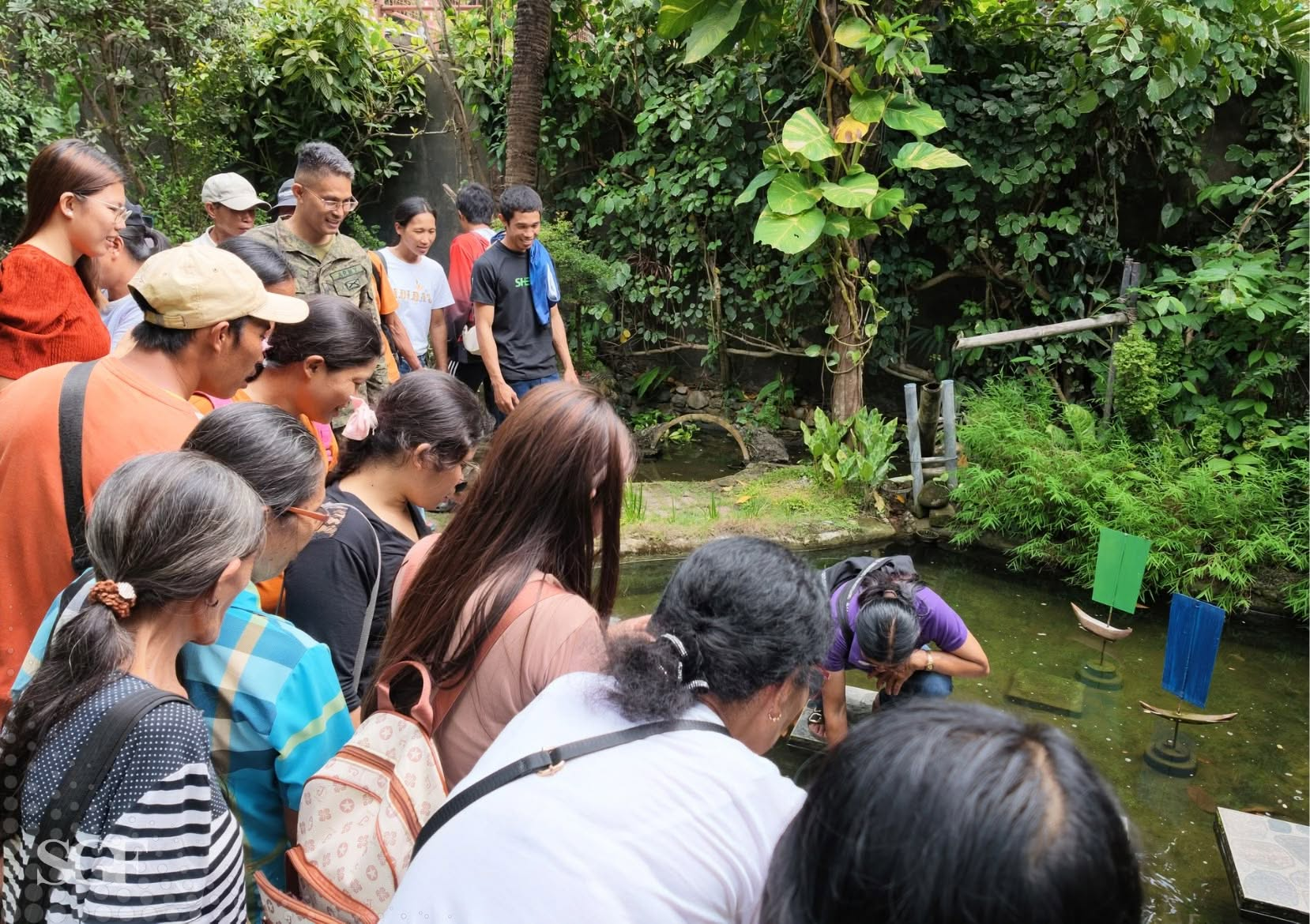
Indigenous farmers touring around SGF: inside the SGF Museum (left) and around the fishponds (right)
The forum forms part of a broader effort to strengthen indigenous participation in emerging agricultural opportunities while building local capacity in crop production, propagation, and value addition. Thirty participants came from Alimodian, nine from Tubungan, and two from Leon, representing communities with long agricultural traditions and strong connections to the upland landscapes of central Panay.
Driving the initiative is the growing global demand for ube and the significant opportunity it presents for indigenous farming communities. Despite the increasing international popularity of ube-based products, Philippine production has struggled to keep pace, creating opportunities for farmers to participate in expanding domestic and export markets. Through this program, organizers hope to help indigenous communities strengthen agricultural productivity while creating new pathways for economic resilience.
During the program, LTC Jekyll Julian Dulawan, Commanding Officer of the 61st Infantry Battalion, who himself is part of the Igorot IP communities, emphasized the importance of collective action and long-term commitment in ensuring the success of community development initiatives. He highlighted that collaboration among communities, institutions, and stakeholders can create opportunities not only for the present generation but also for future generations.
Support for the initiative was also expressed by Emelyn Tano, Indigenous Peoples Municipal Focal Person of Tubungan, while Dr. Jonathan R. Matias, Executive Director of Sulu Garden Foundation, presented the broader vision behind the program.
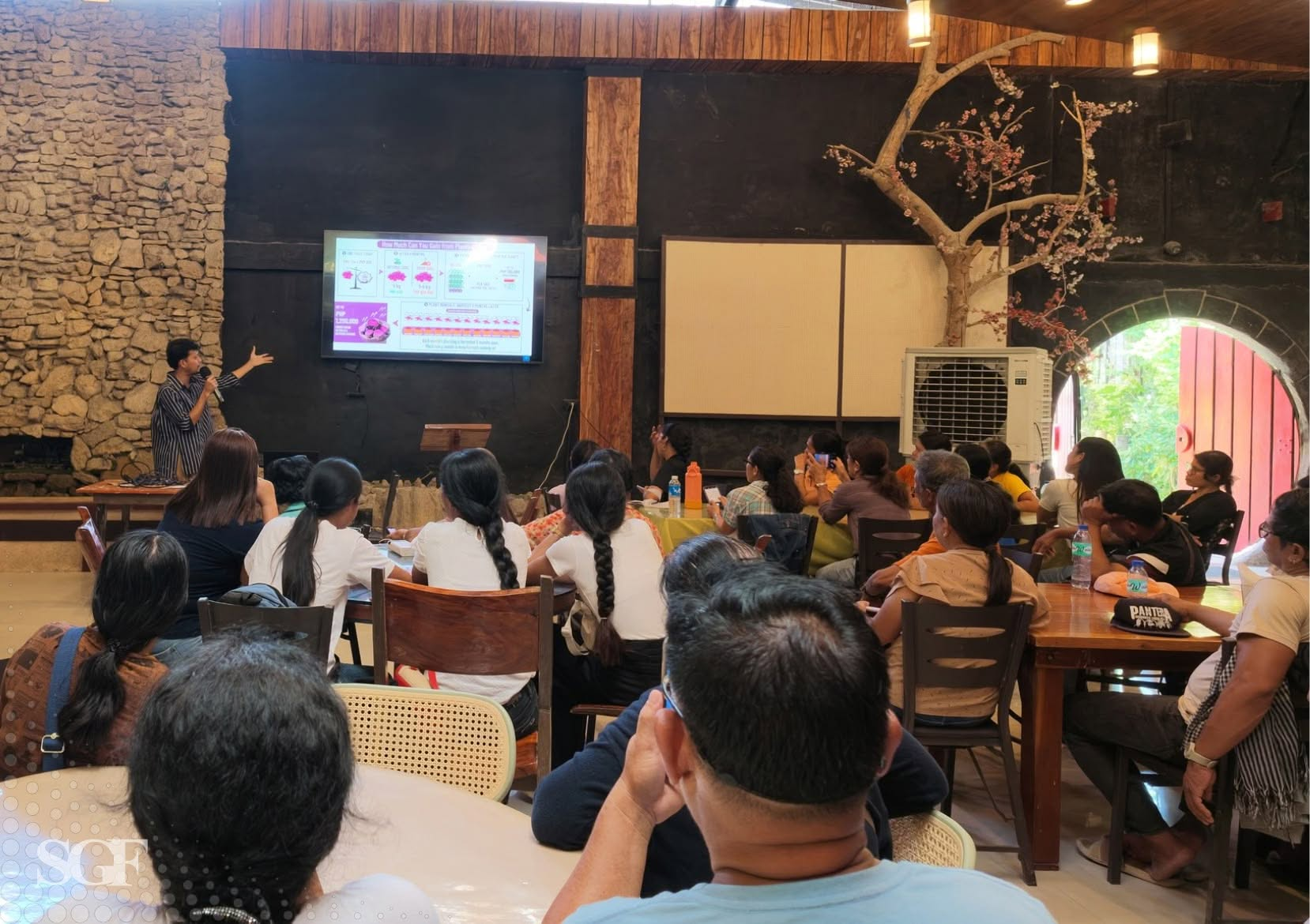
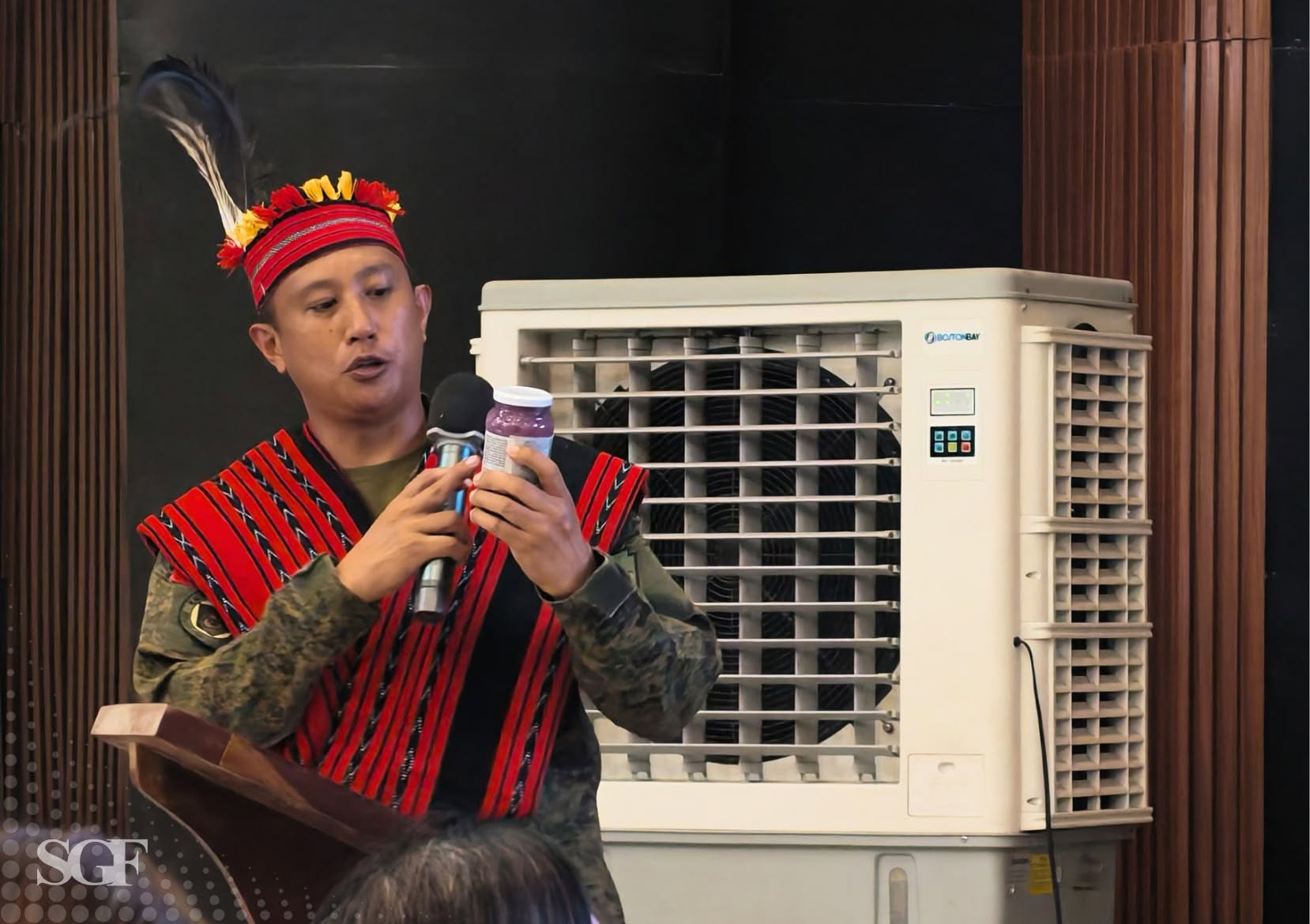
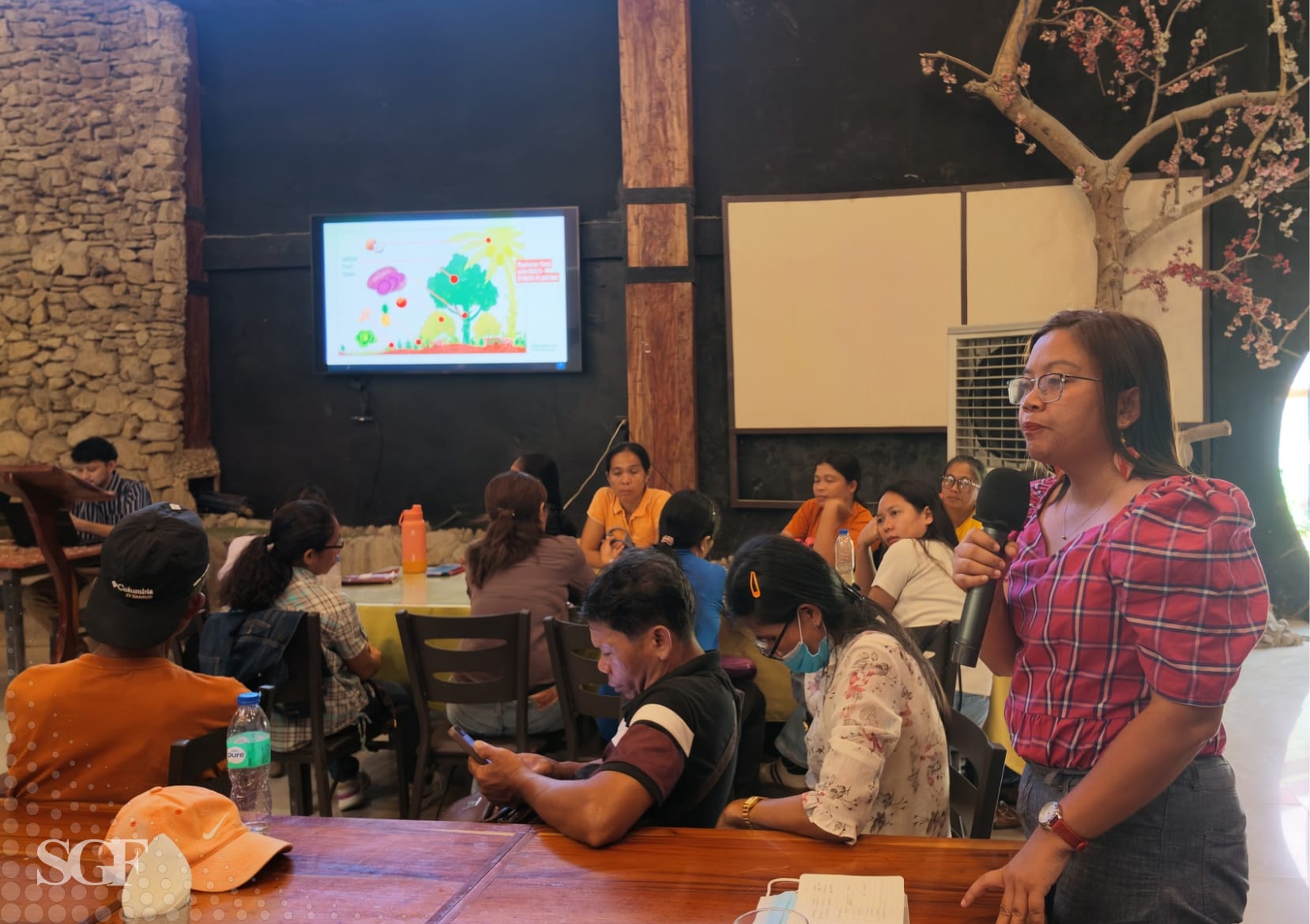
Kim Alunan talking about ube production methods and estimated income generation (left); LTC Jekyll Dulawan on the importance of Indigenous traditions (center); Emelyn Tano sharing her thoughts and support to the event (right)
The event combined field-based learning with technical instruction. Participants first visited the ube farm of Marry Jane Tucar Palmos in Barangay Calampitao, Guimbal, where they observed cultivation techniques, propagation methods, and practical farm management approaches. The learning sessions continued at SGF’s headquarters, where Kim Alunan, Senior Research Associate, discussed crop management practices and explored how value-added products can increase the economic potential of ube production.
The training concluded with the distribution of ube planting materials, allowing participating farmers to begin establishing production plots within their respective communities.
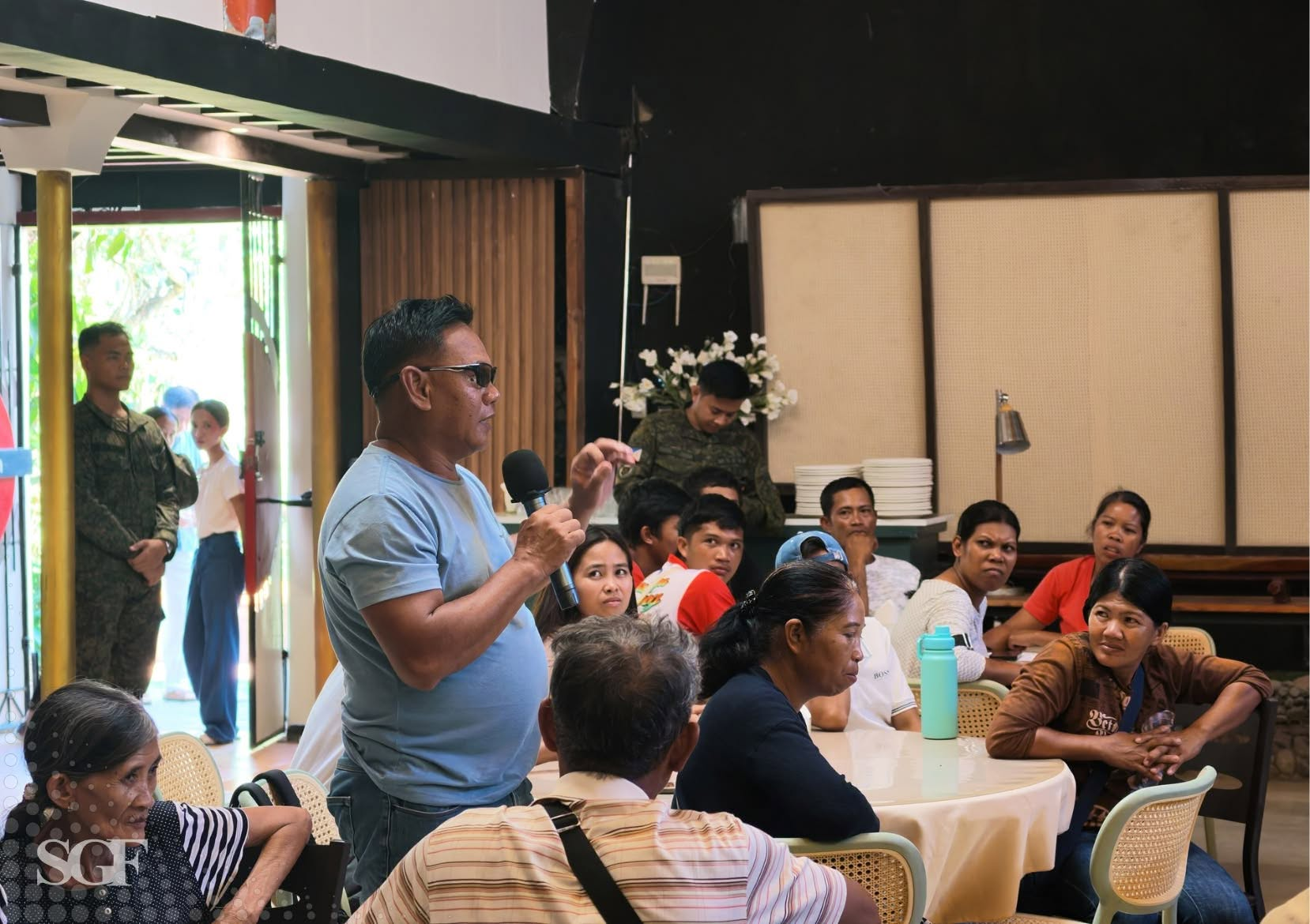
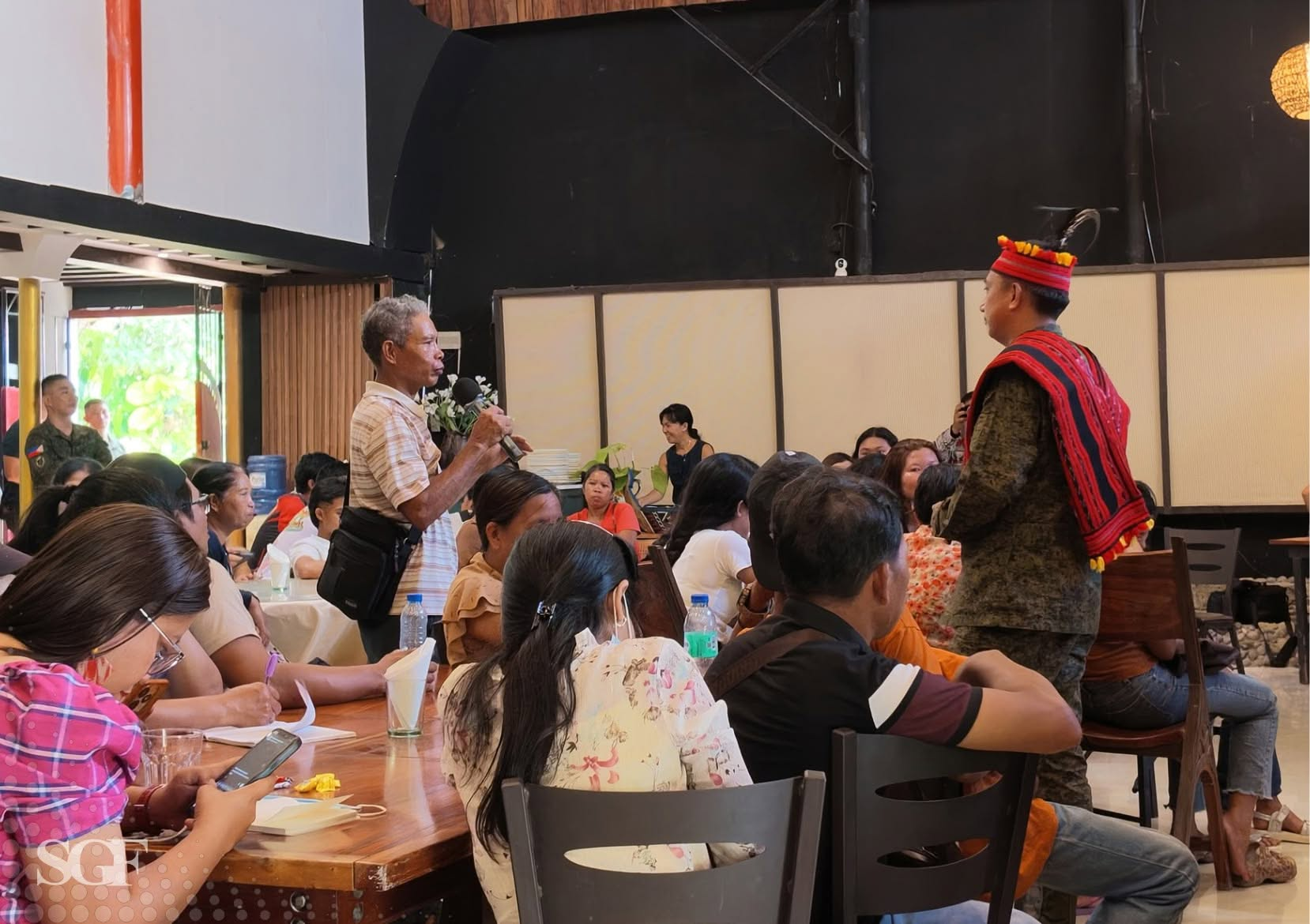
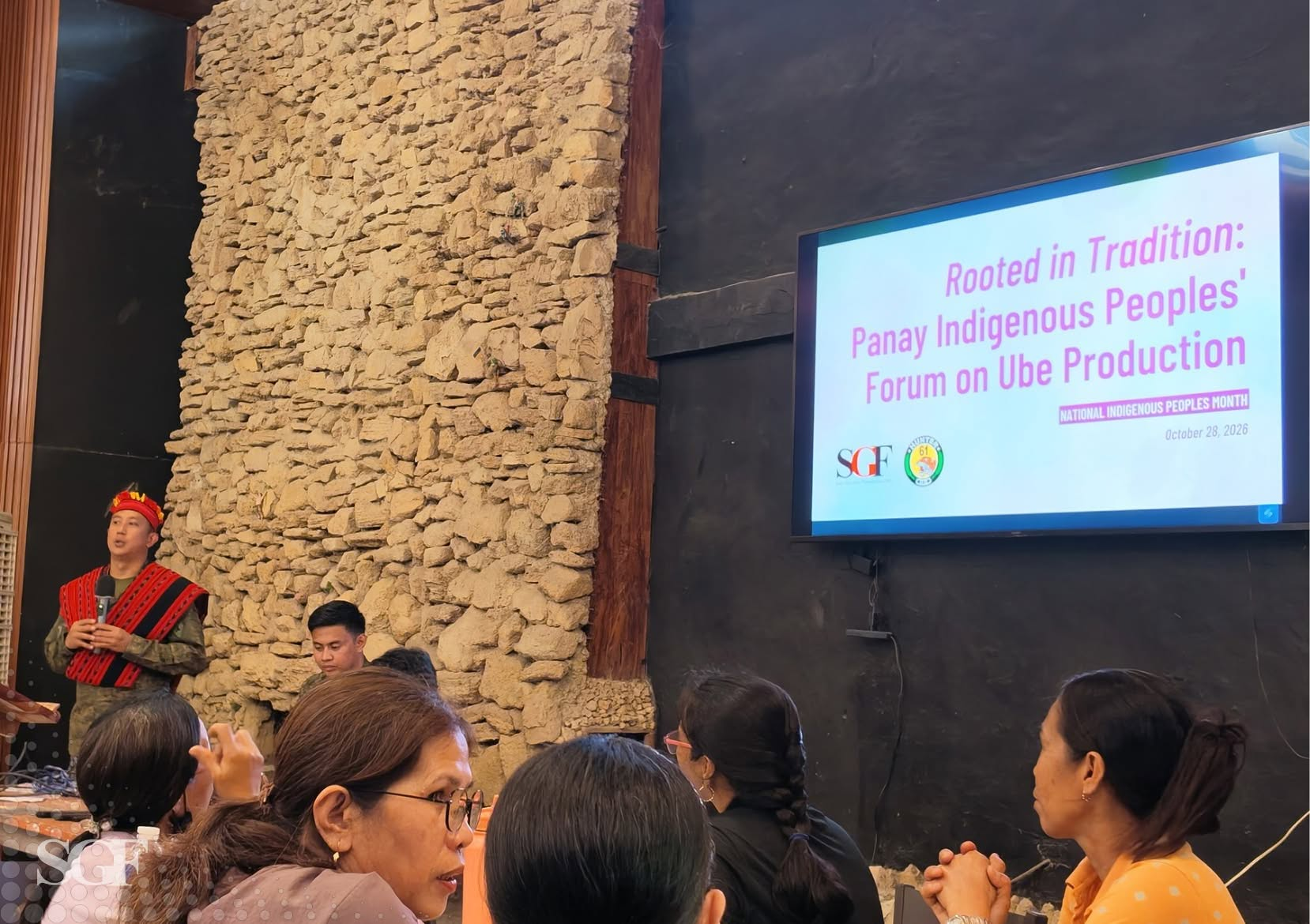
IP Farmers during the open forum
The activity also marks the latest phase of SGF’s expanding Ube Research and Development Program, which currently includes research sites in Miag-ao, Iloilo, Barangay Sibucao, and Batan, Aklan. The program seeks to develop propagation techniques, evaluate production systems, and identify opportunities for integrating ube into broader agroforestry and landscape restoration efforts.
In the future, these initiatives are envisioned to contribute to the Re-greening of Panay initiative, where ube production, indigenous knowledge systems, and ecological restoration are combined to create more resilient farming landscapes. Researchers are also exploring how ube cultivation can be integrated with native species and community-based agroforestry systems, providing both environmental and economic benefits.
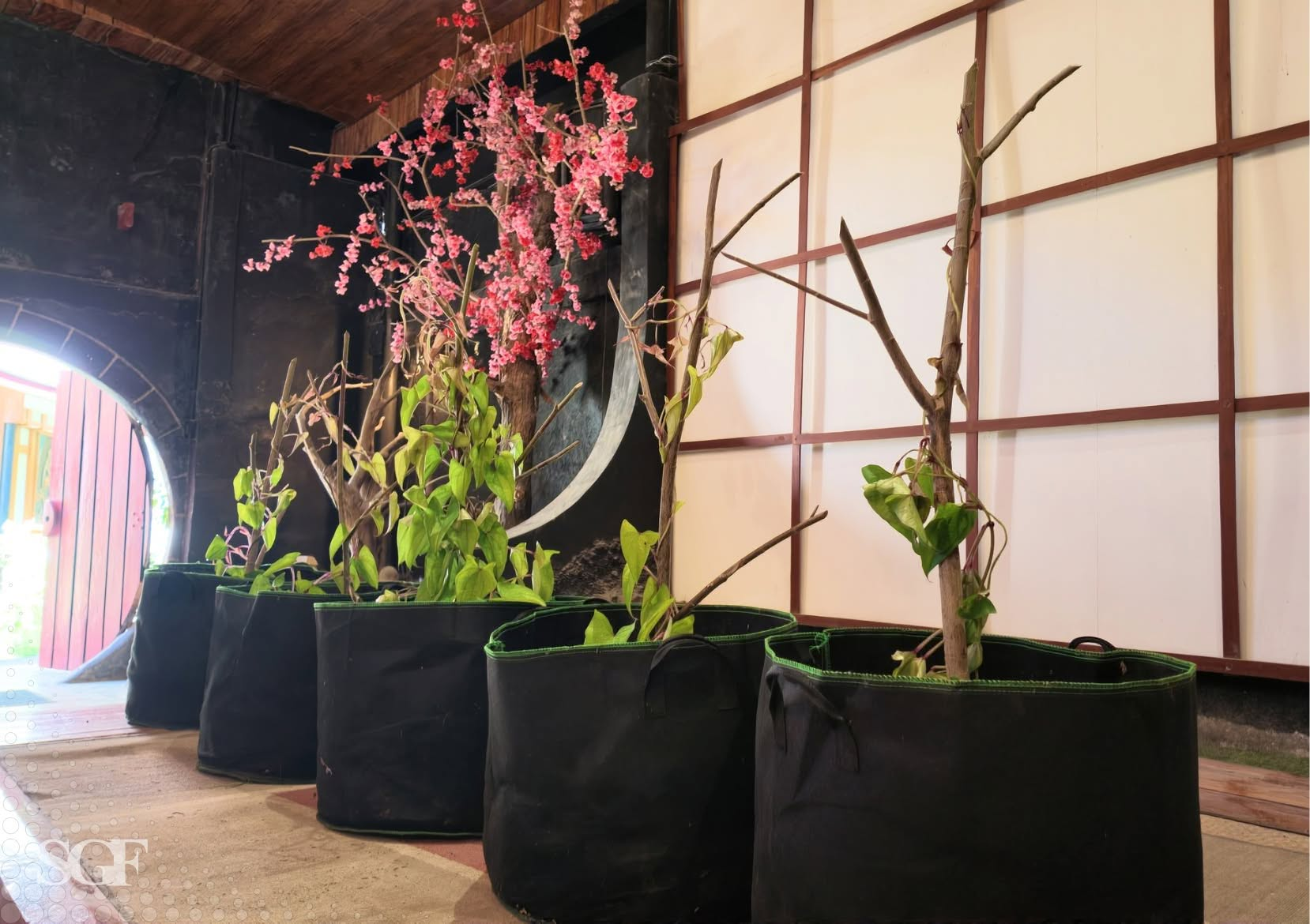
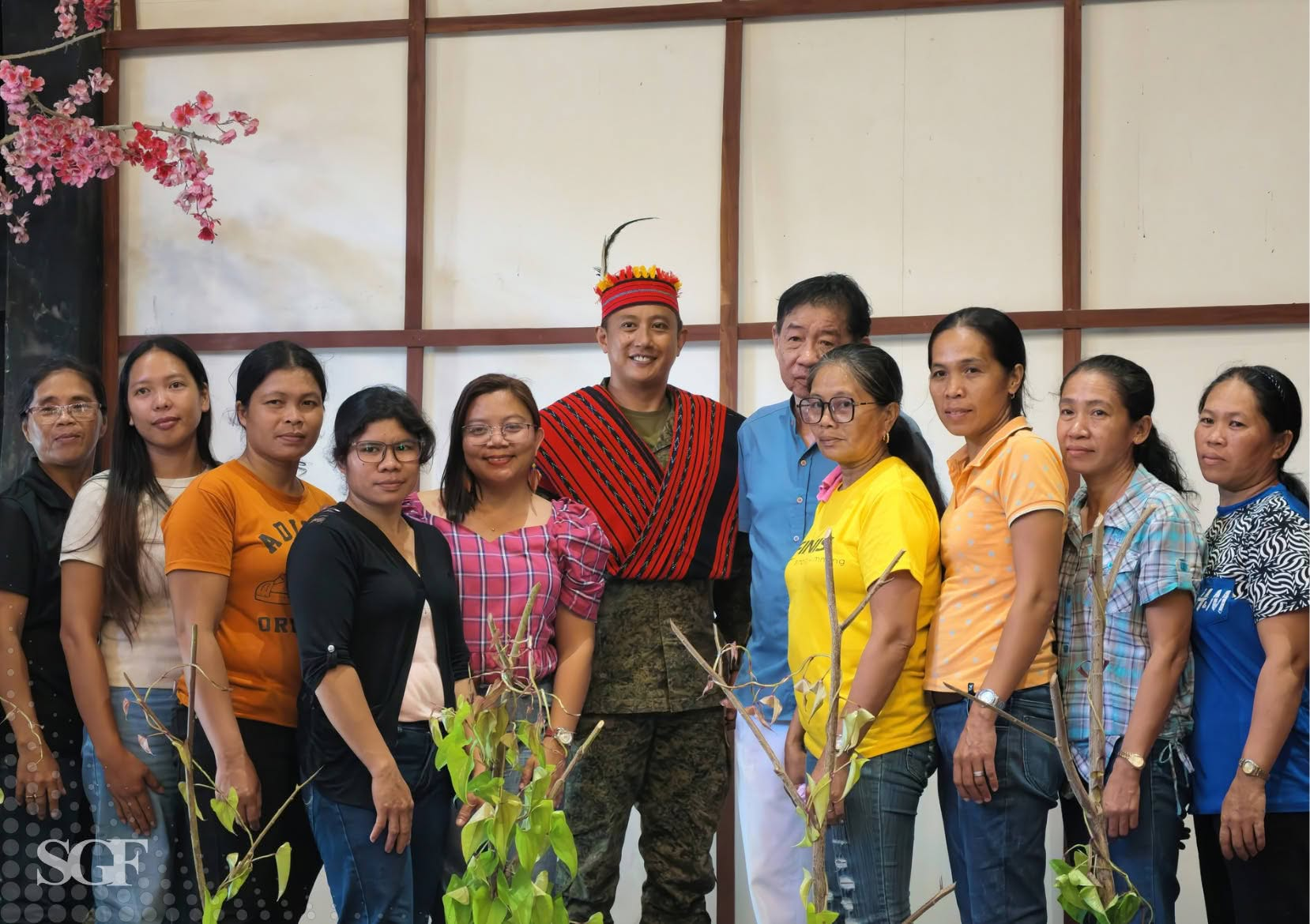
Distribution of ube planting materials
As global demand for ube continues to expand, efforts such as the Panay Indigenous People’s Forum demonstrate how local communities can play a larger role in supplying high-value agricultural products while strengthening food sovereignty, preserving traditional knowledge, and creating sustainable livelihood opportunities. According to a recent report cited by Philstar, the global ube market is valued at approximately US$595 million, yet the Philippines currently captures only a small fraction of that market, estimated at around US$3 million. This highlights the considerable opportunity for Filipino farmers to reclaim leadership in a crop that originated in their own agricultural heritage.
About SGF
Sulu Garden Foundation is named after the Sulu Sea. Our mission concentrates on this sea and the provinces that surround it. These provinces have diverse cultures and religions, yet, they all share history and traditions. The foundation has various programs and activities focused on history and heritage, the arts, nature conservation, research and development, and community.